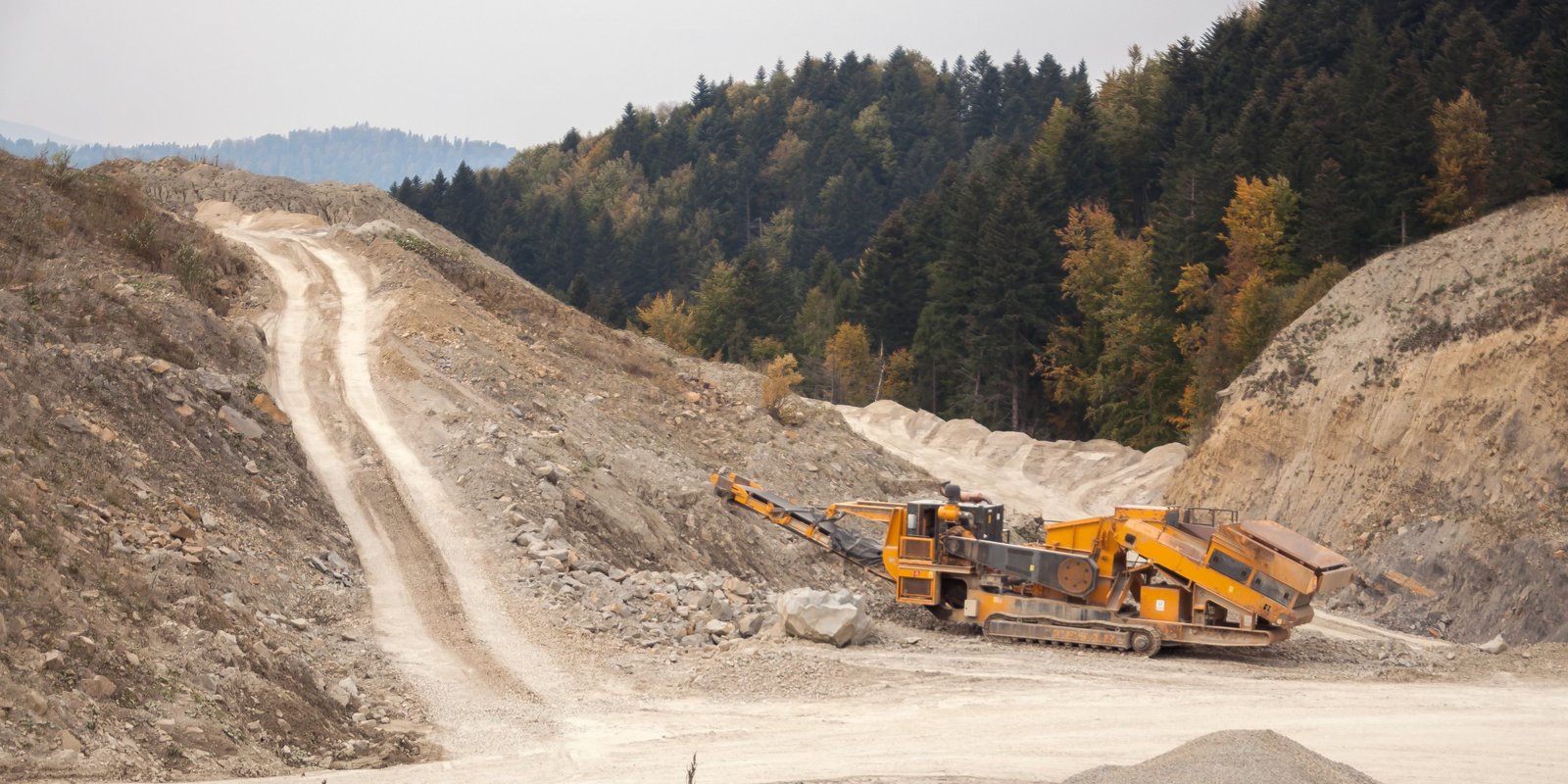

Designing a quarry is not just about deciding where to extract rock. A successful quarry design needs to align geology, equipment, haul routes, water management, safety controls, and compliance requirements so the site can operate efficiently over the long term.
Why quarry design matters
A well-designed quarry helps operators avoid common problems before they become expensive. Good quarry consulting reduces risks by connecting operational design with site constraints from the start, rather than applying a generic layout that may not work in real operating conditions.
Poor planning often leads to tight haul roads, inefficient staging, drainage problems, and safety issues around benches and faces. Getting the design right upfront creates a site layout that is safer to operate and easier to scale over time.
What quarry consulting includes
Quarry consulting usually combines planning, engineering, and compliance support into one process. For most quarry projects, that means balancing extraction goals with access, safety, water control, and future development staging.
A typical quarry consulting scope includes:
- Assessing the rock resource, overburden, and extraction potential.
- Designing pit stages, working faces, and bench geometry.
- Planning haul roads, access points, and traffic movement.
- Integrating stormwater, sediment, and dewatering controls into the site layout.
- Supporting approvals, management plans, and environmental compliance.
This kind of upfront planning creates a site layout that is safer to operate and easier to manage as the quarry develops.
Start with the site, not the software
The best quarry designs begin with a realistic understanding of the land. That includes topography, resource shape, stripping ratio, groundwater behaviour, access constraints, and any environmental sensitivities that could affect quarry development.
Before finalising a layout, operators should work through a sequence like this:
- Confirm the geology and recoverable resource areas.
- Map access, processing areas, and stockpile space.
- Identify drainage paths, low points, and water risks.
- Check likely consent triggers for earthworks, discharges, and land disturbance.
- Build a staged design that can be operated with the equipment already available.
This approach helps prevent a common problem in quarry development: a design that looks efficient in theory but is difficult to run safely on the ground.
Design around actual equipment and operators
Quarry planning should start with the equipment and team the operator actually has. That means measuring equipment before creating extraction plans, and matching blast patterns, access roads, and staging areas to real machinery and material-handling processes.
That matters because quarry productivity is heavily influenced by fleet fit. A plan designed for larger trucks, wider turning circles, or different loading methods can quickly create inefficiencies when applied to a smaller or mixed fleet.
In practical terms, equipment-led design helps operators:
- Match haul road width to the largest vehicle on site.
- Set workable bench heights and face access for loaders and excavators.
- Reduce congestion at passing points, stockpiles, and plant interfaces.
- Align blasting and extraction staging with drilling capability and staffing.
- Improve safety by removing awkward manoeuvres and blind spots from daily operations.
Key elements of a safe, efficient quarry layout
1. Pit staging
A quarry should be developed in manageable stages rather than as one large open area. Staged extraction helps maintain access, reduces unnecessary stripping, and makes progressive rehabilitation easier to plan.
2. Benches and faces
Working faces must be designed with stable slope angles, adequate benches, and safe dimensions for the excavation method being used. Bench widths should be at least half the face height and provide room for safe equipment operation.
3. Haul roads and internal traffic flow
Haul roads are a core part of both efficiency and safety. Roads should be designed around the largest vehicle using them, with suitable width, drainage, cambers, gradients, and bunding.
Road gradients also need attention. Haul roads should have a gradient of 1:8 or less in most cases, with extra controls when grades are higher.
4. Water and sediment management
Water management needs to be designed into the quarry from day one. Clean water should be diverted away from working areas where possible, while dirty water and sediment-laden runoff should be captured and treated before discharge.
Quarry operators should typically plan for:
- Clean water diversion channels around disturbed areas.
- Sediment retention ponds or similar treatment systems for dirty runoff.
- Drainage on haul roads, including cambers and flow control.
- Dust suppression on roads and exposed areas during dry periods.
- Ongoing adjustment of controls as the quarry footprint changes.
5. Stockpiles and plant interface
Stockpile locations and plant access should support smooth material flow across the site. Product handling and stockpile areas can become significant sources of sediment-laden runoff if they are not incorporated into the overall quarry management and erosion control plan.
Compliance in New Zealand
Quarry design in New Zealand needs to account for more than production. Depending on the site, operators may need to manage resource consent issues tied to earthworks, water discharges, sediment control, traffic effects, and potentially contaminated land.
Contaminated soil can be especially relevant where land has a history of hazardous activity or industry. The national environmental standard for contaminants in soil applies to specified at-risk land, including mining, and some activities may require resource consent if permitted activity conditions cannot be met.
Common mistakes quarry operators make
Several design issues show up repeatedly in quarry projects. Most of them can be reduced with better upfront planning and a more site-specific consulting process.
Common mistakes include:
- Using a generic pit layout that does not match the real fleet.
- Underestimating the space needed for safe passing and turning movements.
- Treating drainage and sediment control as an afterthought.
- Ignoring how future stages will affect current access and stockpile locations.
- Leaving environmental and consent planning until after the layout is fixed.
FAQ
What does a quarry consultant do?
A quarry consultant helps plan how a quarry will be designed, staged, accessed, and operated. This often includes extraction planning, road layout, bench design, water management, and support with compliance or permitting requirements.
Why should quarry design be based on existing equipment?
Quarry consulting should measure equipment before creating extraction plans and match roads, blast patterns, and staging areas to the current fleet and team. That approach helps prevent designs that are inefficient or unsafe when applied in the field.
What makes a haul road safe in a quarry?
Haul roads should be designed around the largest vehicle using them, with suitable width, drainage, cambers, gradients, and bunding. Haul roads should have a gradient of 1:8 or less in most situations.
Why is water management important in quarry planning?
Poor water management can affect road usability, slope stability, sediment discharge, and production time. Good quarry design separates clean water from dirty runoff and provides treatment systems for sediment-laden discharges before they leave the site.
Can quarry development trigger contaminated land rules in New Zealand?
Yes, it can. The national environmental standard for contaminants in soil applies to specified at-risk land, including mining, and soil disturbance on that land may require compliance with permitted activity conditions or a resource consent.
What is one of the most common quarry planning mistakes?
One of the most common mistakes is using a generic design that does not reflect actual machinery, site access, and staging needs. Good quarry consulting builds extraction plans around the operator's existing equipment and team.